
SGS inspects quality and quantity at the loading point on every shipment, without exception.
The largest risk a bitumen buyer carries is not price. It is paying against documents for a cargo that does not meet specification, or does not weigh what the invoice says.
We remove that risk by putting an independent inspector between ourselves and the buyer on every shipment, without exception. Where a buyer prefers a different inspector, or wishes to appoint their own alongside SGS, that is accommodated at nomination.
Samples are drawn at the loading point by the inspector — not by the seller — and tested in an accredited laboratory against the contract specification. Samples are retained for the contractual claim period.
Verification of net weight, unit count and packing integrity, issued as a Certificate of Weight naming the contract and the container or vessel.
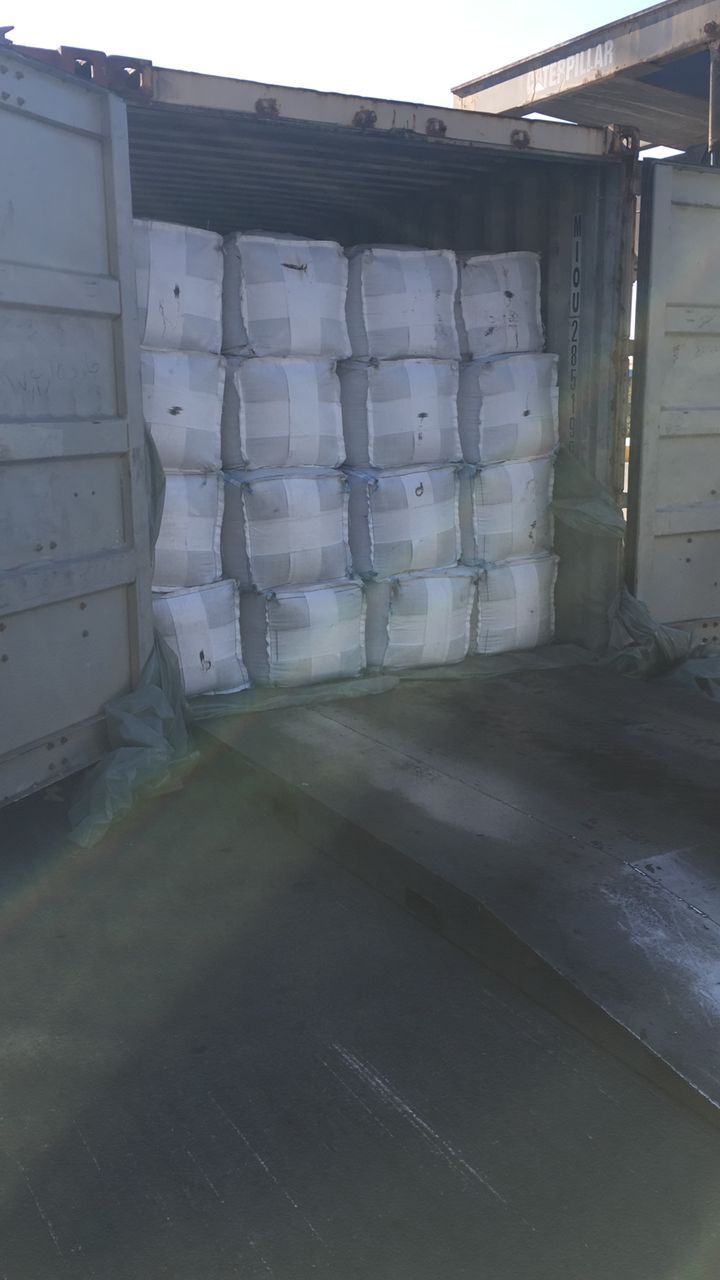
Inspection of packaging, sealing, marking and container stuffing — witnessed and photographed, with the record available to the buyer on request.
We review the draft letter of credit and confirm every document, deadline and clause we can meet before the buyer instructs their bank. That is the cheapest point at which to remove a discrepancy — long before the cargo is at the quay. Discrepant documents delay payment and cost the buyer bank charges, so we treat clean presentation as part of the delivery, not an afterthought.
Grade, quantity, packing, destination port and required delivery term.
Written quotation with specification, packing, price, delivery window and validity.
Sales contract or proforma invoice issued and countersigned by both parties.
Letter of credit opened and advised, or TT received per the contract.
Cargo produced, packed and marked; SGS attends for quality and quantity.
Stuffing and loading at Sohar; the full document set presented to the bank.
Grade, quantity, packing and destination port is all we need to come back with a written offer, a full specification and a delivery window.